At the Edge
The other night, over dinner with my friend and esteemed colleague Marc Blondeau, our conversation wandered through art, the market, memory, and the strange trajectories by which certain objects acquire lasting importance.
At some point I asked him a question:
Of all the works he had encountered recently, which did he consider the most important?
He answered immediately by mentioning a plaster by Constantin Brancusi.
Plaster has been much on my mind. My work with Rodin has given me unusual proximity to sculpture not merely as finished object, but as process: forms enlarged, reduced, cut, joined, repeated, recombined.
In Rodin’s studio, plaster was not simply a preliminary material. It was a medium of thought.
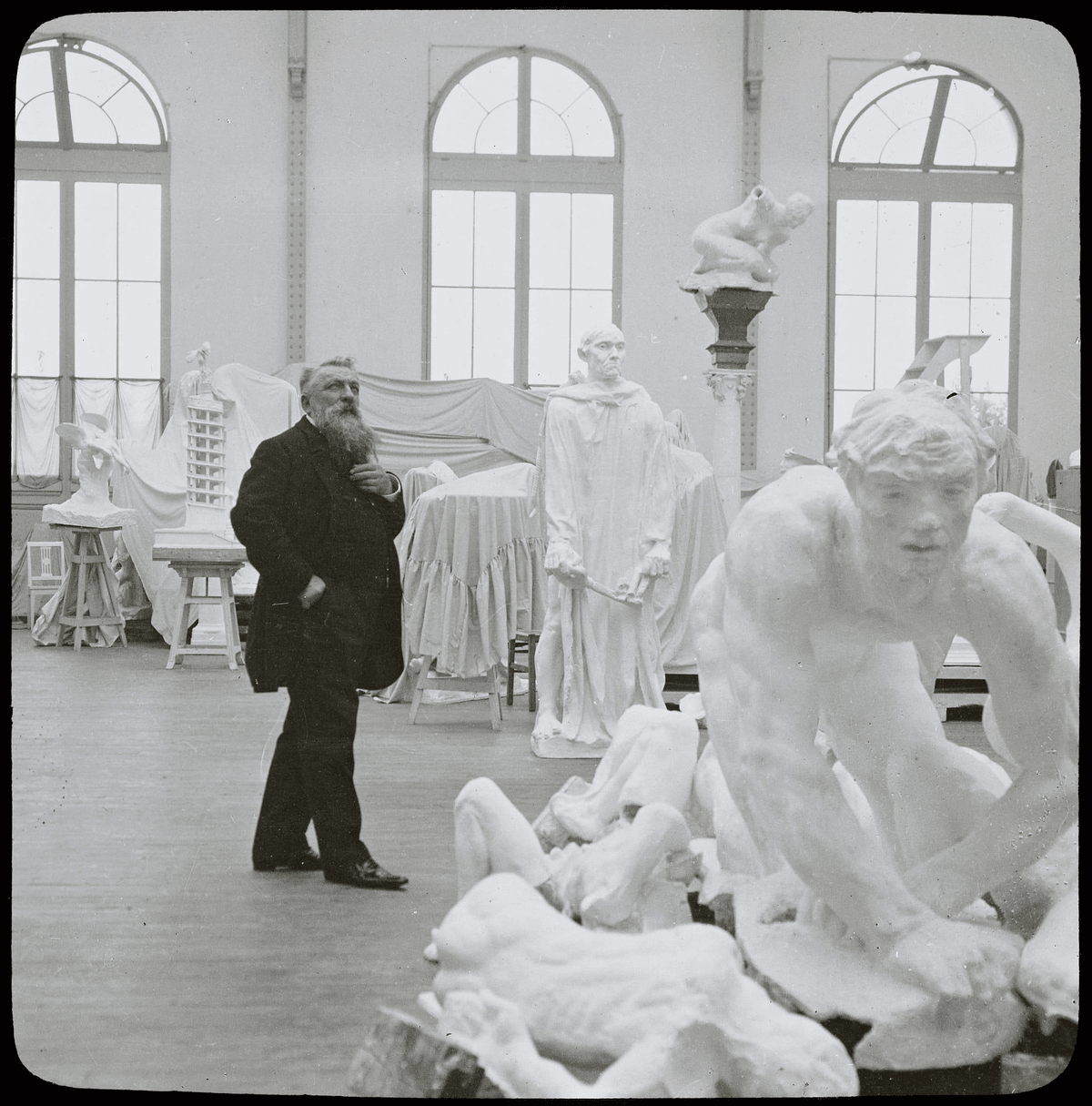
Plaster gives temporary stability to an unstable process of metamorphosis.
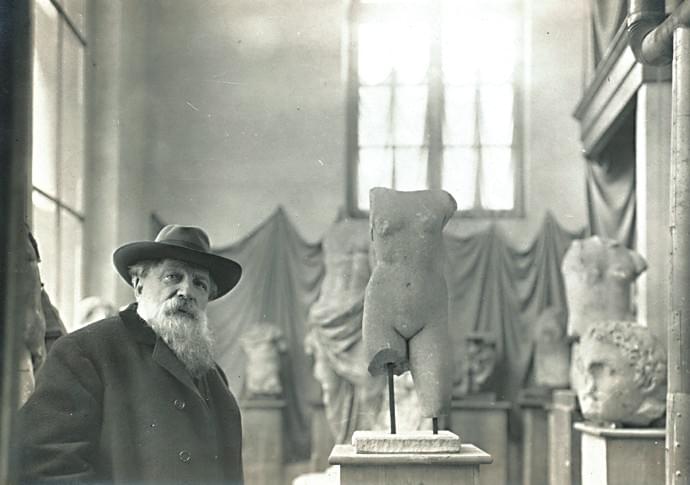
Rodin’s collection of antique fragments deepened this understanding. What time had broken did not appear to him merely damaged. A fragment could possess its own completeness.
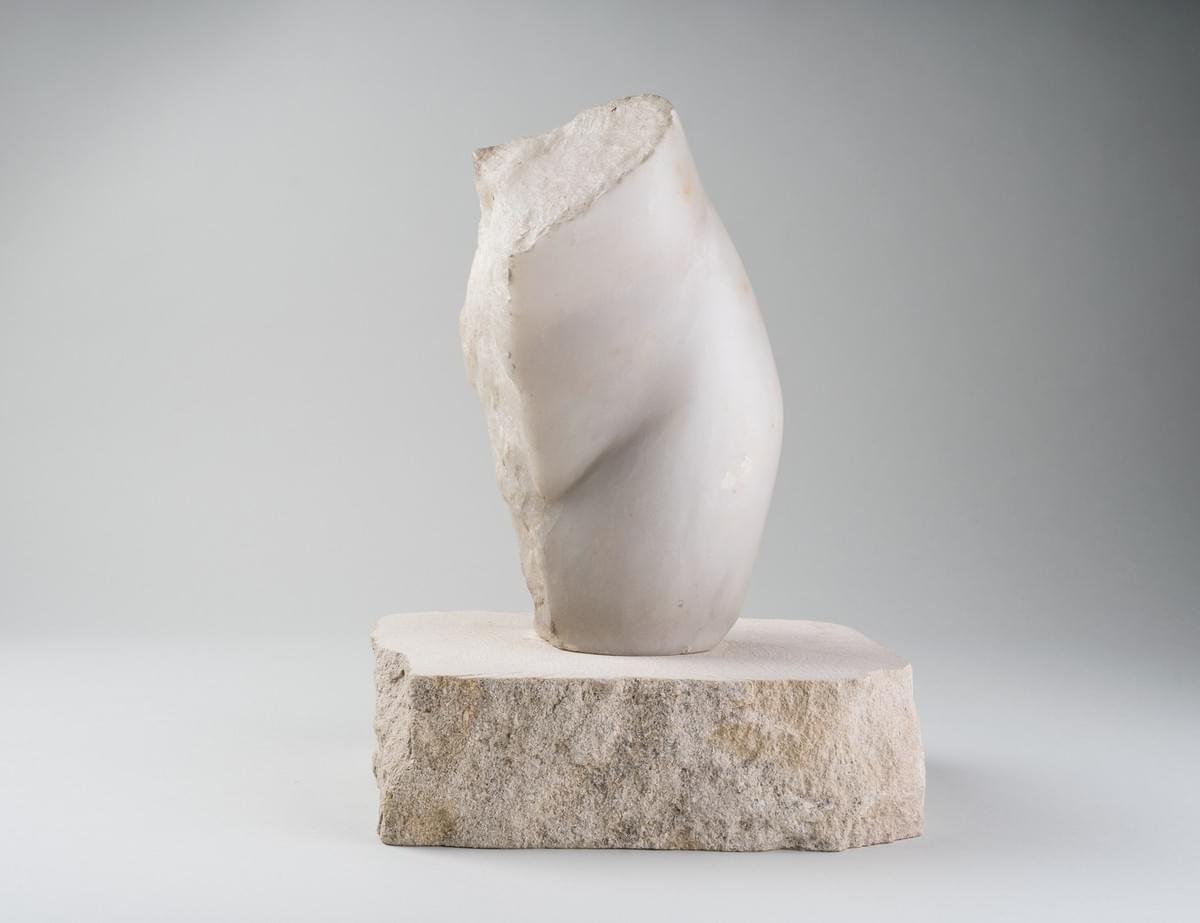
As Marc and I spoke, I thought of Brancusi’s Fragment of a Torso of 1909–10: a body reduced almost to archetype, its smooth form abruptly meeting a rough, broken edge.
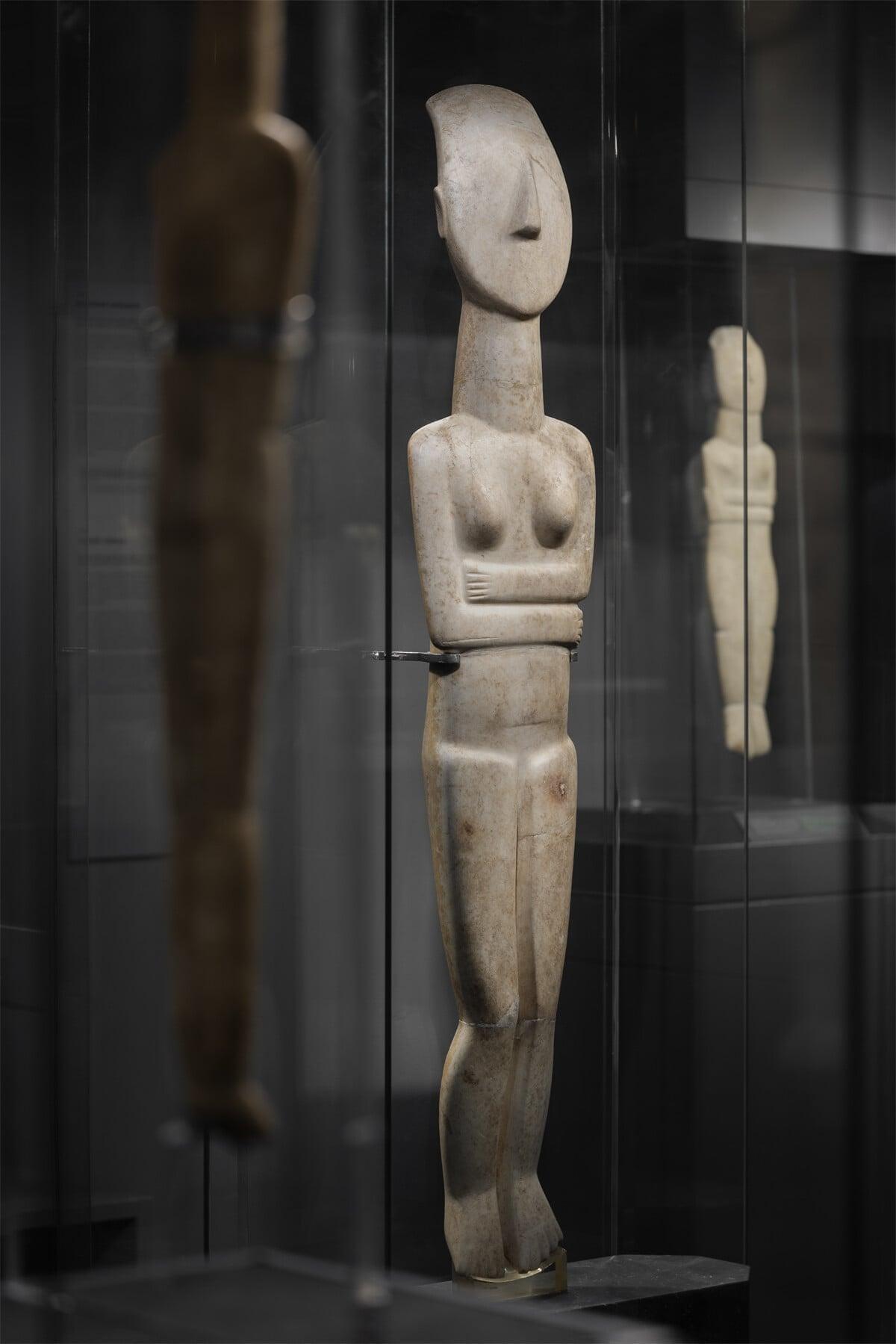
Cycladic sculpture came naturally into the conversation. The human body had already, millennia earlier, survived radical reduction. Particularity disappeared; presence remained.
But Brancusi’s torso does something more. The body first acquires enough formal certainty that the break can become meaningful.
The edge is not simply where the sculpture stops.
It is where something begins.
And suddenly I remembered another edge.
Years ago, at Dia:Beacon, I attended an intimate gathering marking the closing of Carl Andre’s retrospective. Before lunch, Andre led perhaps thirty of us through the exhibition.
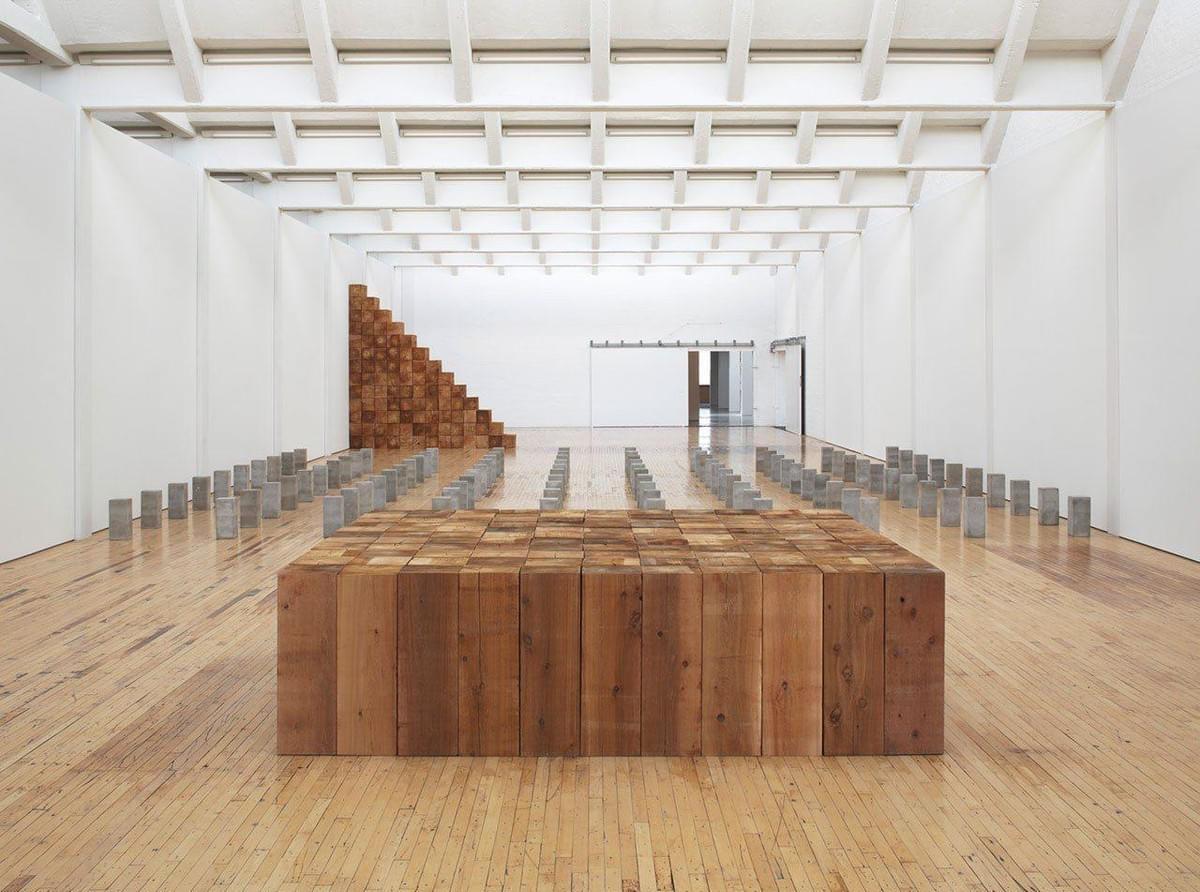
During the tour, Robert Ryman entered in a wheelchair, pushed by an attendant. He appeared physically frail, almost withdrawn. I remember being struck that Andre did not acknowledge him. Ryman entered from one side; Andre turned away and seemed to speak with even greater force. I had the strange impression that he was refusing to look at what Ryman’s frailty represented—the possibility of diminishment, of vulnerability, of the body approaching its limit.
Later, as people moved through the galleries, Ryman was pushed alongside one of Andre’s long timber sculptures. As the wheelchair turned around its end, Ryman extended his hand and gently caressed the edge.
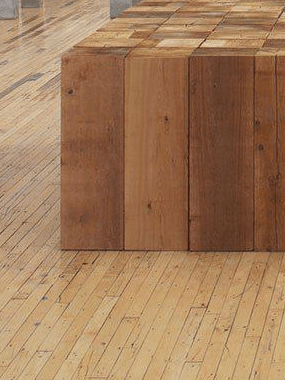
I have never forgotten that gesture.
Ryman had spent a lifetime examining the edge: where paint meets support, support meets wall, painting becomes object, object enters space.
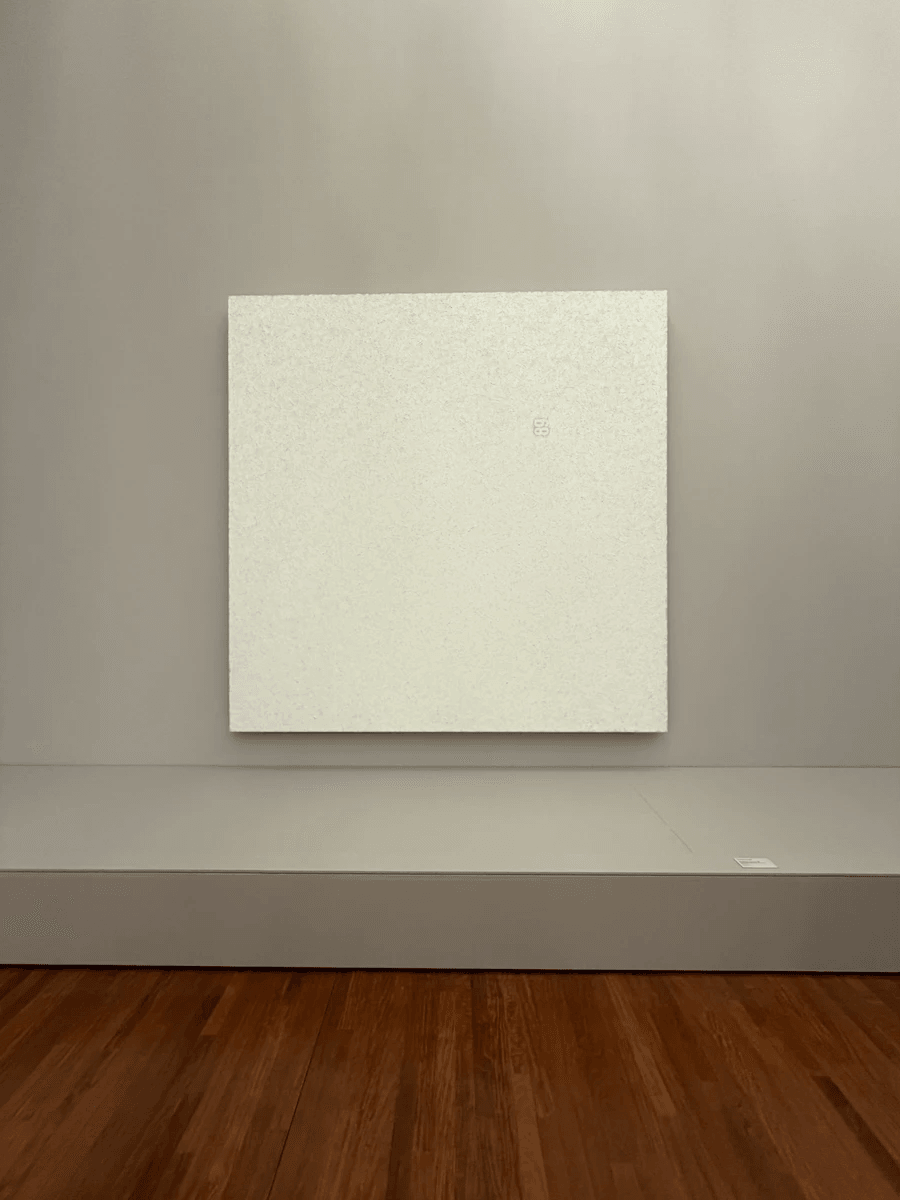
His body appeared frail.
But the hand knew.
The hand recognized something before language did.
Speaking with Marc, that gesture returned to me.
Brancusi’s broken edge and Ryman’s painted edge are not the same. But they meet somewhere.
In Brancusi, the edge is where body becomes fragment.
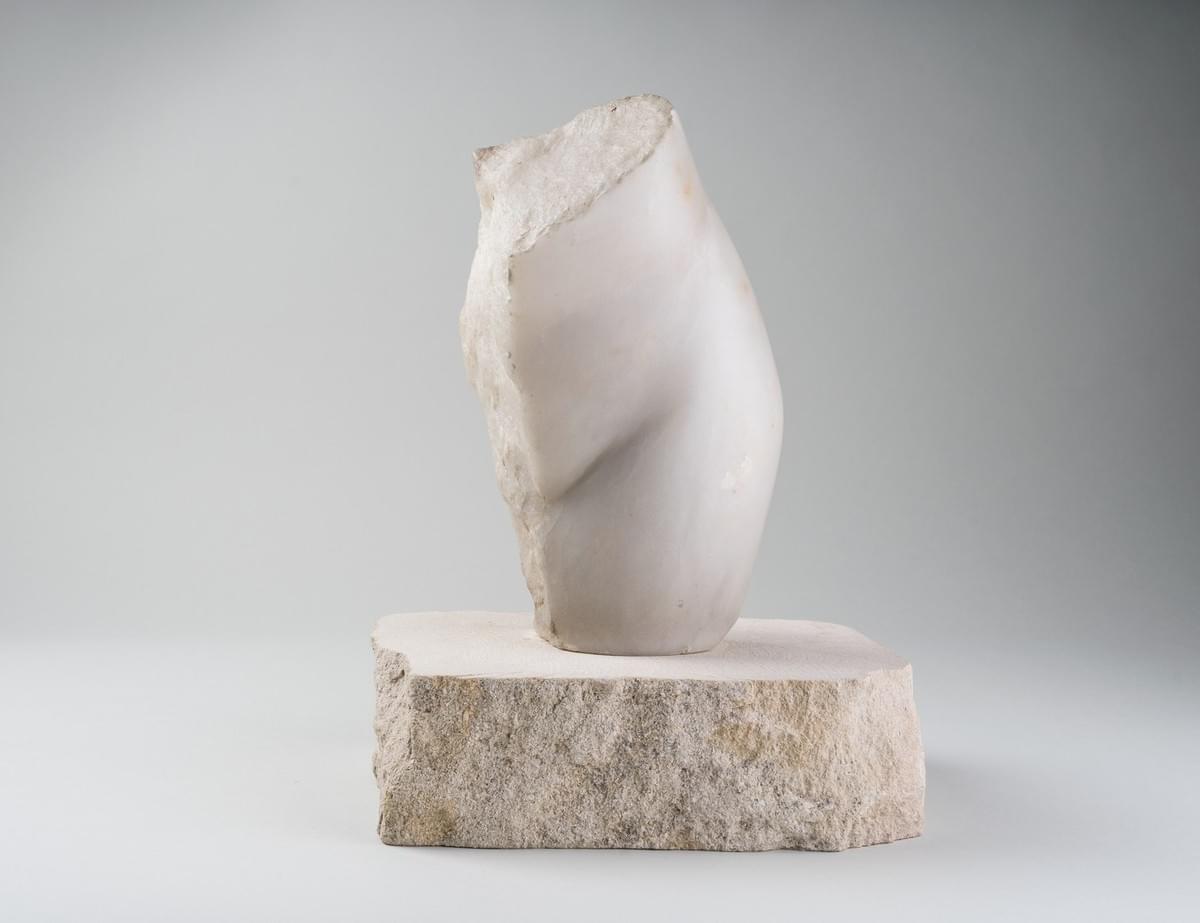
In Ryman, it is where painting becomes object.
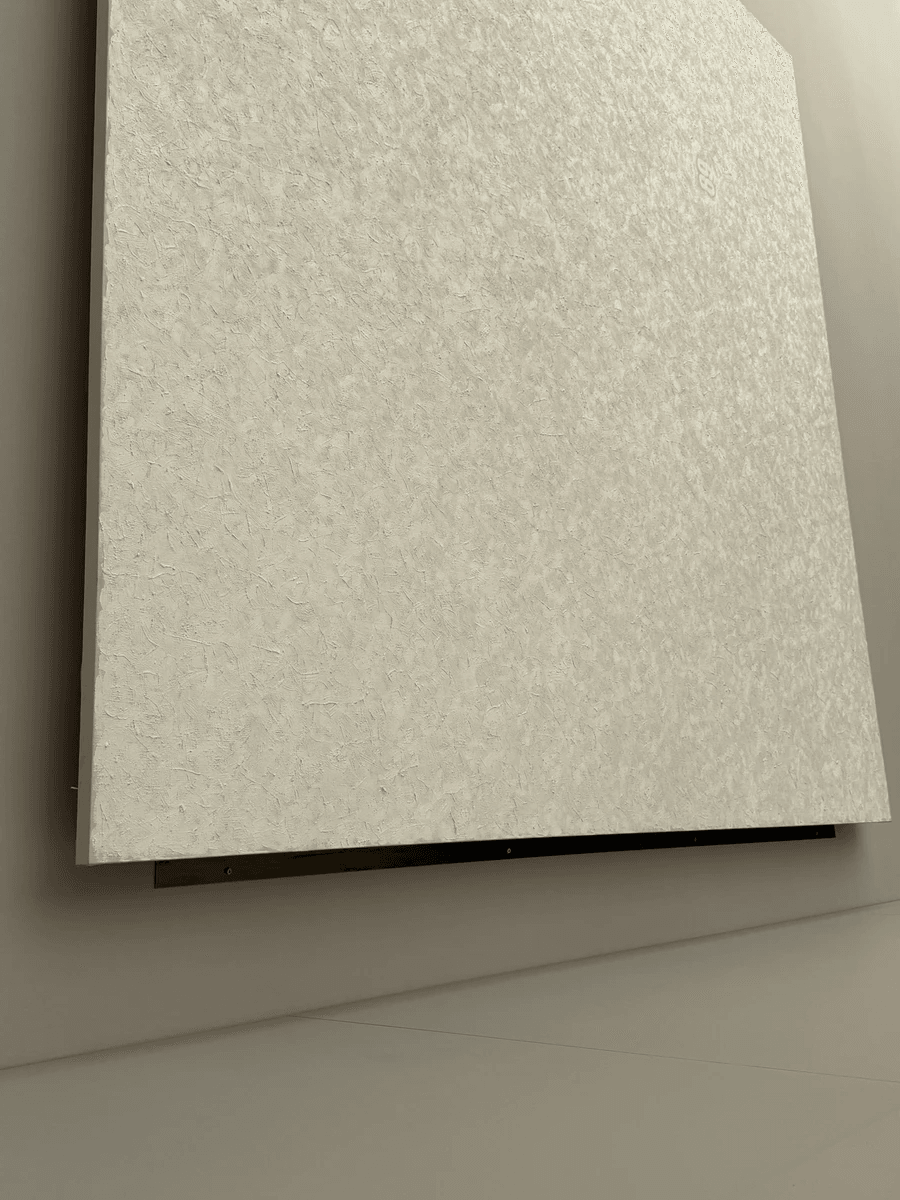
In Rodin, it remains mutable: a body can be cut, joined, transformed.
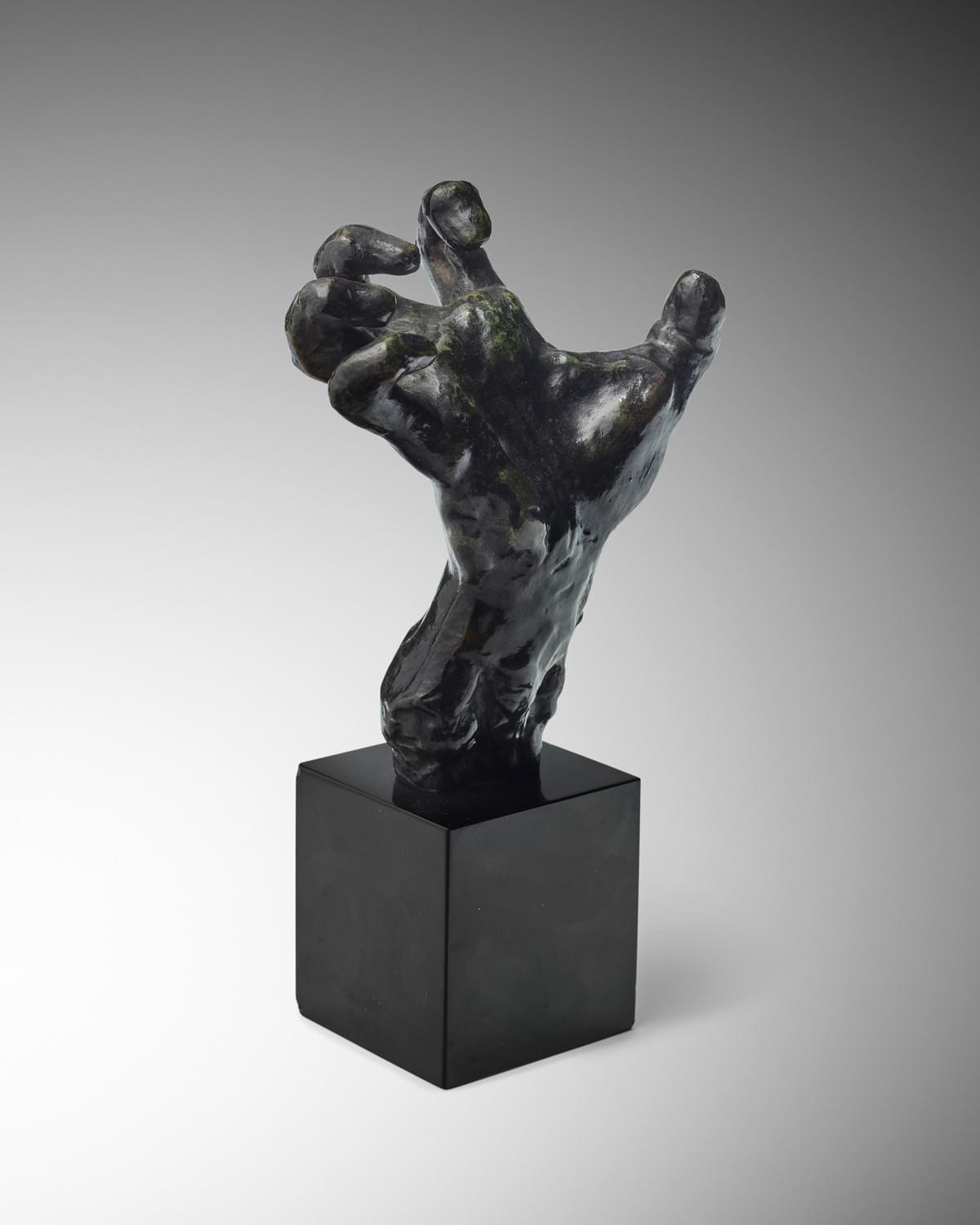
Again and again, the edge appears as threshold.
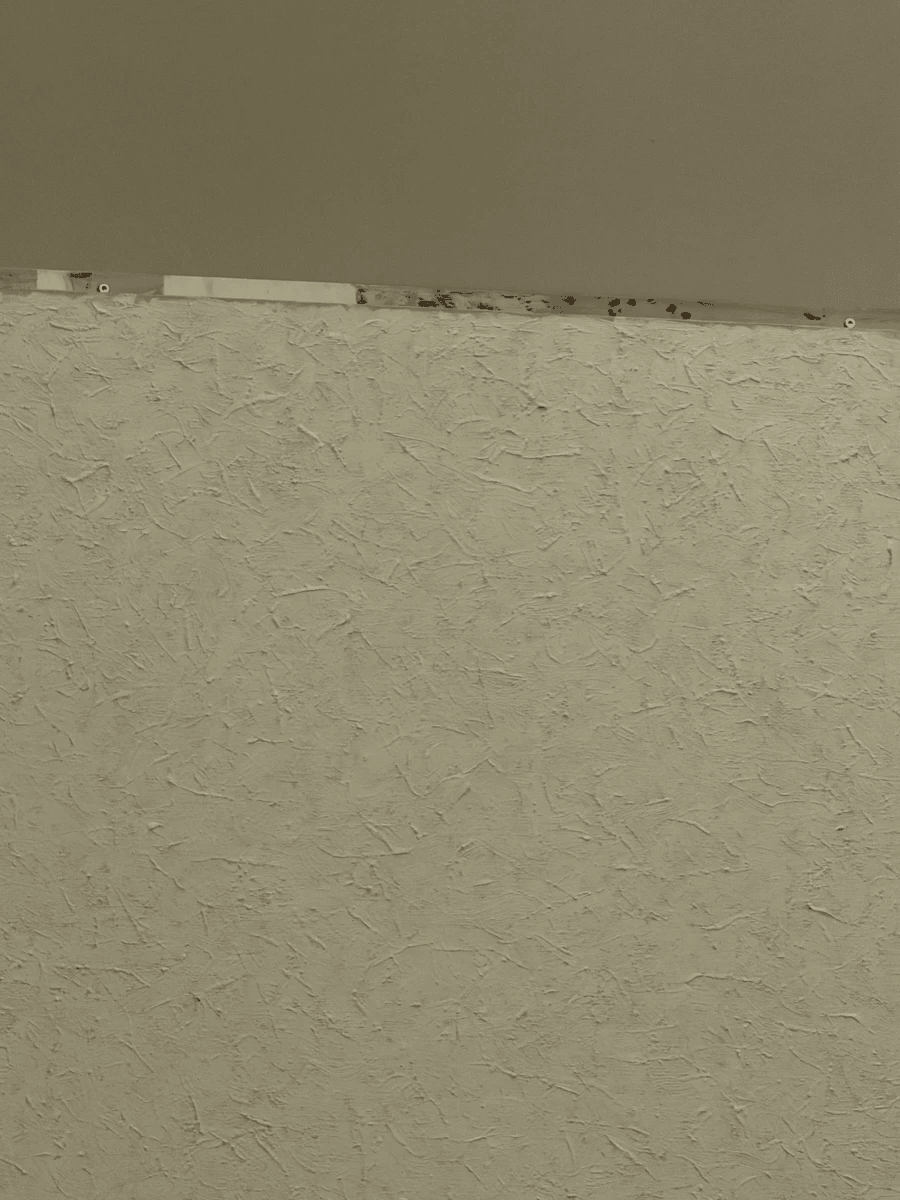
This is where the immaterial enters.
Not because matter disappears.
Quite the opposite.
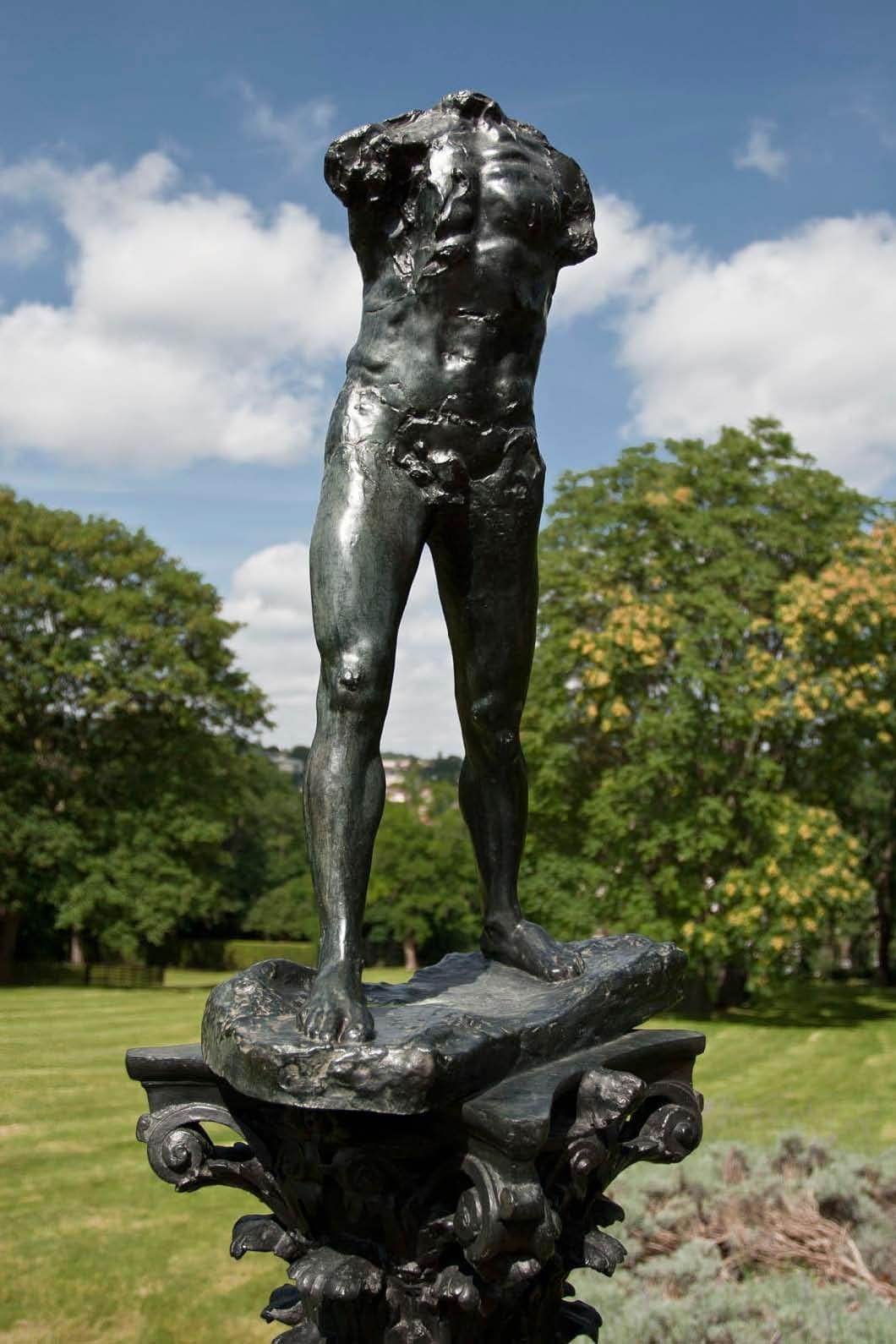
The immaterial is born through matter.
The Brancusi plaster seems almost a material embodiment of that threshold. The torso must first become sufficiently itself.
And then it breaks.
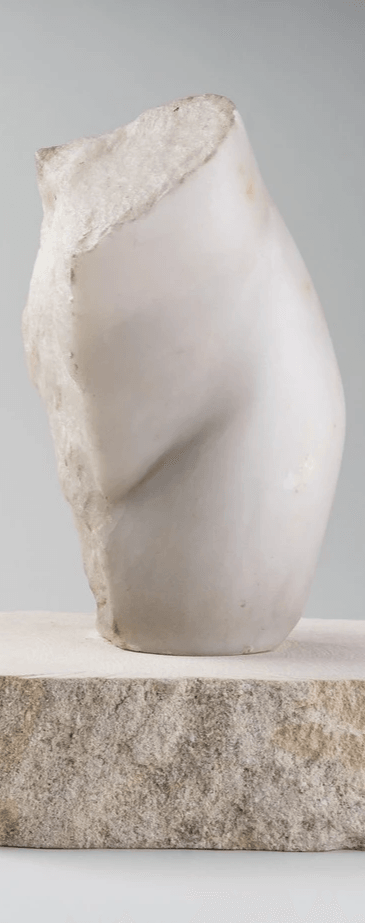
The edge is not where the work ends.
It is where the work passes into something else.
And this is why I found myself wondering what would happen if one placed such a Brancusi beside a Ryman.
Two objects approaching the same threshold from opposite directions.
One through subtraction.
The other through attention.
And between them, the edge.
⸻
Related reading
Saint John the Baptist vs. the Antichrist: Rodin’s Walking Man and the Age of the Immaterial
[link]
On AI and authorship
On Authorship, Responsibility, and the Use of AI
[link]
Inquiries
Blondeau & Cie · Akim Monet Fine Arts